/DonateIcon.svg)


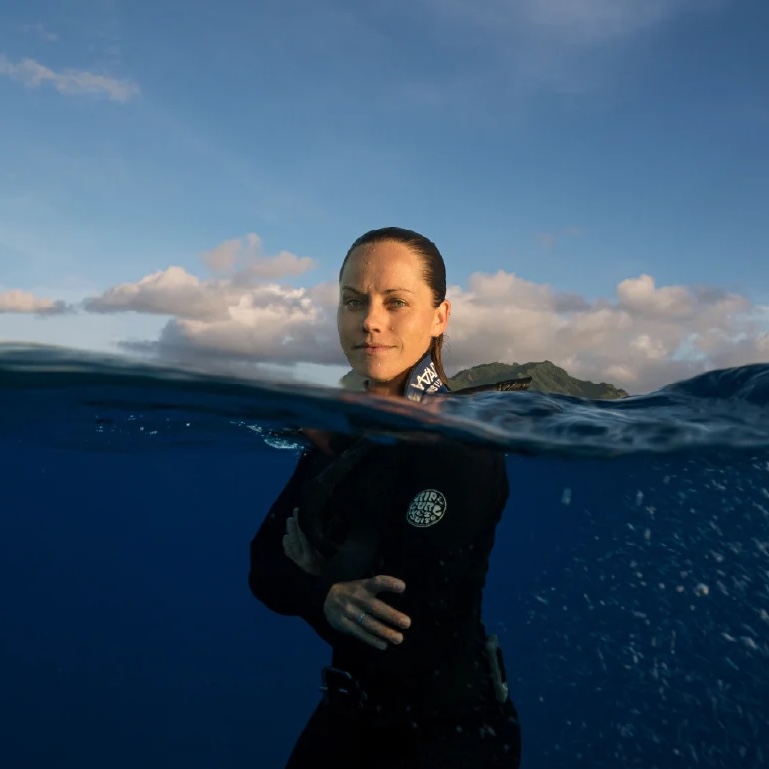
Marine biologist Jess Cramp is on the front lines of shark conservation.
It’s a troubling statistic and one marine biologist and shark researcher Jess Cramp wants people to hear: that one-third of the world’s sharks are in danger of extinction. Yes, one-third, thanks to a global demand for shark meat, fins and liver oil.
For more than a dozen years now, Cramp has been on the front lines of shark conservation. Her earliest efforts in 2012 involved helping spearhead one of the world’s largest protected zones for sharks: the nearly two-million-square-kilometre Cook Islands Shark Sanctuary. That same year,Cramp also founded Sharks Pacific. The non-profit organization’s mandate is “to ensure adequate, effective protection for sharks and rays through a process that is underpinned by science, culture and supported by the local community.”
Cramp has since advised communities, governments and international organizations on conservation policy, led marine research expeditions, and raised public awareness of the dangers sharks face. Cramp is coming to Calgary’s Jack Singer Concert Hall on March 8 and 9 to share her story as part of Werklund Centre’s National Geographic Live series.
What first got you interested in conservation?
My interest in conservation came as a natural progression of growing up outside and wanting to enjoy a healthy environment. As I got older and spent more time in the ocean, I’d get sick if I surfed after a rain; I’d have to stay out of the water at a break I loved near the Mexican border because of pollution, and I learned of the effects of overfishing on both the ocean’s inhabitants, but also the people who depend on them for survival. It was an easy choice for me.
Why did you decide to focus upon shark conservation in particular?
I’d had an interesting interaction with sharks while sailing across the Pacific in 2011 before settling in the Cook Islands. There, I met a man who wanted to create a shark sanctuary, so I helped him build, launch, and execute that campaign. We were successful in 2012. The 18 months of running the campaign, sitting and listening to fishers, looking for answers in the scientific literature, negotiating with politicians - these experiences showed me there were large gaps in shark research and policy, as well as gaps in opportunities for Pacific Islanders to embark on a career in shark science and conservation.
Why should people care about shark conservation?
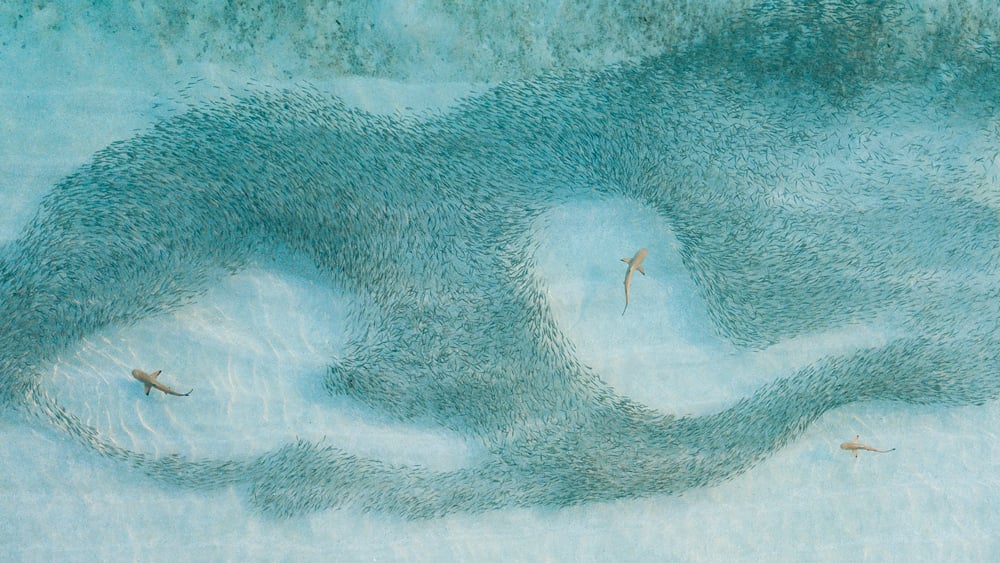
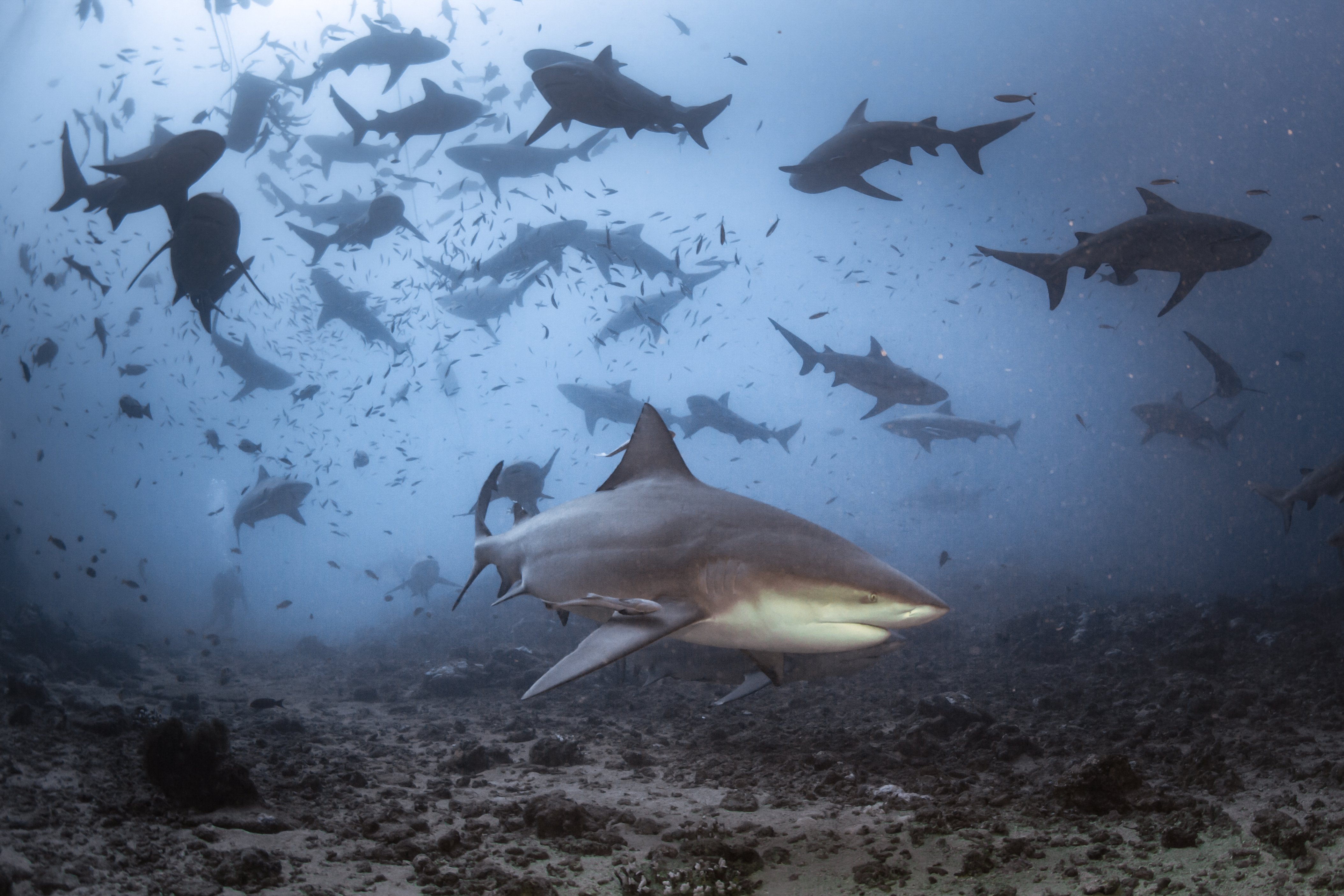
Sharks have been around on the planet for more than 450-million years. They’ve survived five mass extinctions. They’ve evolved into more than 1200 different species that range from the size of a ruler to the size of a school bus. Some sharks roam the planet as apex predators and some hide in reefs. Regardless of their ranges traveled, as predators, they help keep the ecosystem in check. If the Earth didn’t want them, they would have disappeared. We need to work hard to keep them because the planet and the ecosystem have shown us that they’re important. Plus, they’re cool, aye!
What significant “strides” are being made in the field of shark conservation?
There are new genetic tools that allow fisheries enforcement officers to test shark meat and fins onboard vessels in real time. This will drastically change the field since fishers won’t be able to hide the species they’re catching. There are countries (including the Cook Islands) who don’t allow steel fishing line, meaning sharks can bite off if they get hooked. There are also efforts to add video cameras to industrial fishing boats so we can see when sharks are caught. This is an effort we’re leading in the Pacific Ocean. Without data on what sharks are caught and in what numbers, we can’t determine their populations and advocate for their conservation.
What are the main challenges you face in getting your message across regarding sharkconservation?
The biggest challenge is by far economics. Industrial fishing is a multi-billion-dollar industry that has benefitted for too long from operating out of the public’s eye. As such, they’ve been able to make billions on the sale of shark parts (fins, meat, liver oil), even when there are protections in place. If no one is watching, there are a lot of operators who will continue to bend the laws to make money. The other huge issue is that the public doesn’t have access or insight into the forums where these very large decisions are made for sharks in industrial fisheries. These problems are all fixable; we just need the political will (and time) to get policies across the line and then the accountability on the water (like cameras, human observers) ensuring that the policies are implemented and enforced.
Calgary is a landlocked city. How can we make a difference, even though we are so far from shark habitat?
There’s a lot you can do with your wallet. By that, I mean that you only buy fish that is traceable. For example, does the restaurant know what type of fish it is and where it was caught? How about the name of the boat that caught the fish? The more traceable your fish, the better chance it is that they aren’t serving you shark meat and calling it cod. If you can, buy from folks who have answers to those questions. Also, check to see if your lotions, sunscreens, or makeup contain a product called squalene - it’s usually from shark liver oil. There are vegetarian sources of squalene, like from olives, but if it doesn’t specifically say that it’s sourced from a vegetable, you can guess that it’s shark squalene and you shouldn’t buy it. You can also write letters to the companies that use it. Finally, you can always donate to the nonprofits doing the work on the front lines, like Sharks Pacific. That’s always useful!
What should humans do, in general, to advance shark-conservation efforts?
The first best thing we can do is to be curious about how our fish is caught and how it gets to our plates. To stop the overfishing of sharks, we must work with the fishers and the fisheries managers themselves. When we realize that there are good actors in fishing, we need to demand from our politicians that these are the only ones that should be allowed to sell fish in our markets, communities, provinces and countries.
To hear more about shark conservation and to swim alongside Cramp under the vibrant waters of the South Pacific to find out what it truly means to save sharks, join us for Jess Cramp: The Untold Story of Sharks on March 8 & 9, 2026.

Kathleen Renne has been following Calgary’s arts scene for the past 15 years. She writes for several local publications and is an aspiring playwright. When not writing or at the theatre, Kathleen can be found indulging her other passion for fashion behind the till at her Kensington clothing store.
Share this post